This article contains affiliate links. As an Amazon Associate, I earn from qualifying purchases at no extra cost to you.
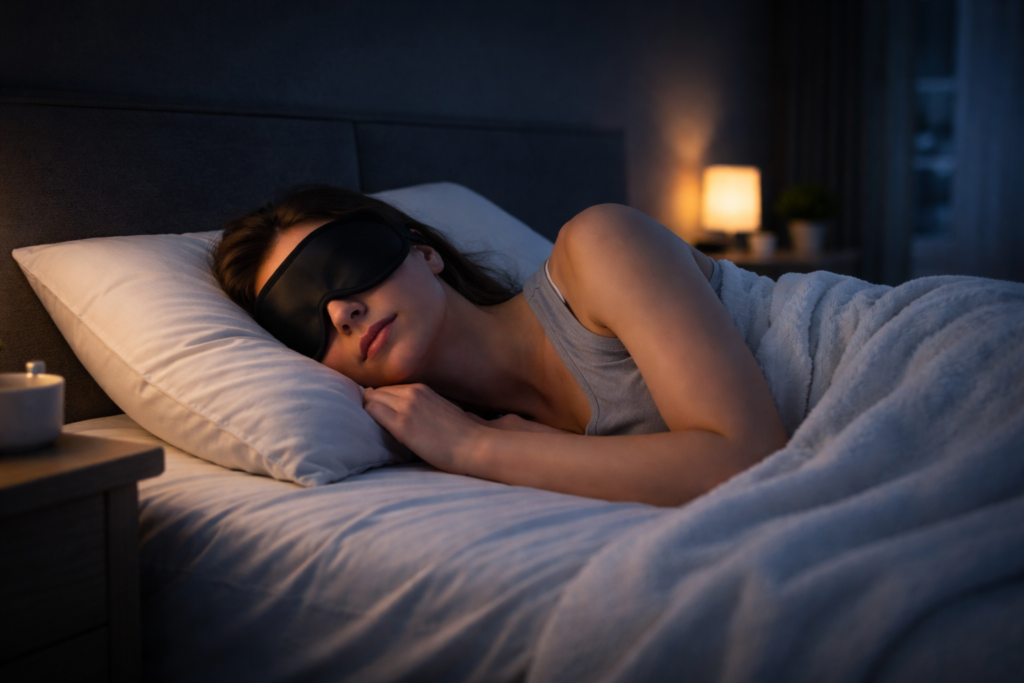
Falling asleep should feel natural, but for many people it turns into a frustrating routine. You go to bed tired, expecting rest, yet your body stays alert and your mind keeps moving. Instead of drifting off, you find yourself lying there, trying to force sleep to happen.
Over time, this creates a pattern where sleep feels like something you have to chase instead of something that comes naturally.
This is where weighted blankets have gained attention. They offer a physical way to calm your body rather than relying only on mental effort. By applying gentle pressure across your body, they help your system settle down and relax more easily.
For many people, this creates a noticeable shift in how quickly they fall asleep and how deeply they rest.
When used alongside habits like how to fall asleep faster naturally, a weighted blanket becomes part of a much more reliable sleep setup instead of a one-time fix.
Why weighted blankets help reduce anxiety at night
Weighted blankets work through steady, evenly distributed pressure across your body. This pressure helps your body shift out of a tense state and into a more relaxed one.
Instead of staying restless, your breathing slows, your muscles begin to loosen, and your overall system becomes calmer. Many people describe this as a grounding feeling that helps them settle into sleep more naturally.
This is especially helpful for nighttime anxiety. It may not always feel intense, but it keeps your body slightly activated. That makes it harder to fully relax and fall asleep. A weighted blanket helps interrupt that pattern by giving your body a clear signal that it is safe to relax.
How deep pressure improves sleep quality
Deep pressure stimulation does more than help you fall asleep faster. It also helps improve how well you stay asleep.
When your body feels secure and supported, it reacts less to small disturbances. This leads to fewer wake-ups and more stable sleep cycles throughout the night.
As a result, you spend more time in deeper stages of sleep, which are essential for recovery. This is one of the reasons people stop feeling exhausted after a full night once their setup improves, especially when combined with a better sleep environment setup.
What makes a weighted blanket actually effective
Not all weighted blankets provide the same experience. Some feel uneven, too warm, or uncomfortable after a short time.
A good blanket should feel balanced and natural. The weight should stay evenly distributed so it does not shift while you sleep. Material also plays a big role in comfort, especially if you tend to sleep warm.
Important features to look for:
• Even weight distribution across the blanket
• Breathable material that prevents overheating
• Durable stitching that keeps filling in place
• Weight suited to your body size
• Comfortable fabric that feels good on your skin
A weighted blanket for anxiety and deep sleep should feel calming immediately, not something you need to adjust constantly.
How to choose the right weight without overdoing it
Choosing the correct weight is one of the most important steps.
A common guideline is selecting a blanket that is about 8 to 12 percent of your body weight. This provides enough pressure to feel calming without making movement difficult.
If the blanket is too light, you may not notice much difference. If it is too heavy, it can feel restrictive and uncomfortable.
The goal is balance. You should feel supported while still being able to move naturally during the night.
Why consistency matters more than first-night results
Many people expect immediate results after using a weighted blanket once or twice. While some notice a difference quickly, the real benefit comes from consistent use.
Your body begins to associate the pressure with relaxation. Over time, this creates a stronger connection between using the blanket and feeling calm.
This works especially well when combined with a night routine for better sleep.
Instead of forcing sleep, your body starts following a predictable pattern that makes sleep easier.
How to stay cool while using a weighted blanket
One of the biggest concerns with weighted blankets is heat.
Some materials trap warmth, which can make sleep uncomfortable after a few hours. This can reduce the benefits if not managed properly.
Using cooling bed sheets for hot sleepers helps regulate temperature and keeps your body more comfortable throughout the night.
If you often wake up tired even after 8 hours, overheating may be part of the problem.
Why your mattress still affects your results
A weighted blanket helps your body relax, but your mattress still plays a major role in overall comfort.
If your mattress creates pressure points or poor alignment, your body may remain tense even with the blanket.
This reduces the overall benefit.
A pressure-relieving mattress topper for better support can improve comfort without replacing your entire mattress.
How your pillow supports full relaxation
Your pillow is another important part of your setup.
If your neck is not supported properly, your upper body may stay slightly tense. That tension makes it harder to fully relax.
Using a memory foam pillow for proper neck support helps keep your spine aligned and allows your body to settle more naturally.
Common mistakes that reduce effectiveness
Even though weighted blankets are simple to use, certain mistakes can limit their effectiveness.
• Choosing a blanket that is too heavy
• Ignoring breathability and heat
• Not using it consistently
• Overlooking mattress and pillow support
• Expecting instant results
Fixing these mistakes can lead to noticeable improvements quickly.
What to expect once everything is set up properly
When your setup is aligned, the difference becomes clear.
You fall asleep faster, stay asleep longer, and wake up feeling more refreshed. Your nights feel more stable, and your body spends less time dealing with tension.
Weighted blankets are not a complete solution on their own, but they are a powerful tool when used correctly. With the right setup, consistent use, and supportive environment, they can help make sleep feel natural again instead of something you have to fight for.